Why Building Restoration Is Important for Preserving Structural Integrity?
Buildings are designed to last for decades, but continuous exposure to environmental conditions, ageing materials, and daily use can gradually affect their strength and performance. Over time, structural elements may deteriorate, leading to safety concerns, reduced functionality, and costly repairs. This is where building restoration becomes essential. Rather than allowing damage to worsen, restoration helps bring a building back to a safe and reliable condition while preserving its structural integrity.
Whether it is a commercial property, residential complex, industrial facility, or heritage structure, building restoration plays a vital role in extending the lifespan of a property. By addressing structural issues at the right time, property owners can protect their investment, improve safety, and maintain the long-term value of their assets.
What Is Building Restoration?
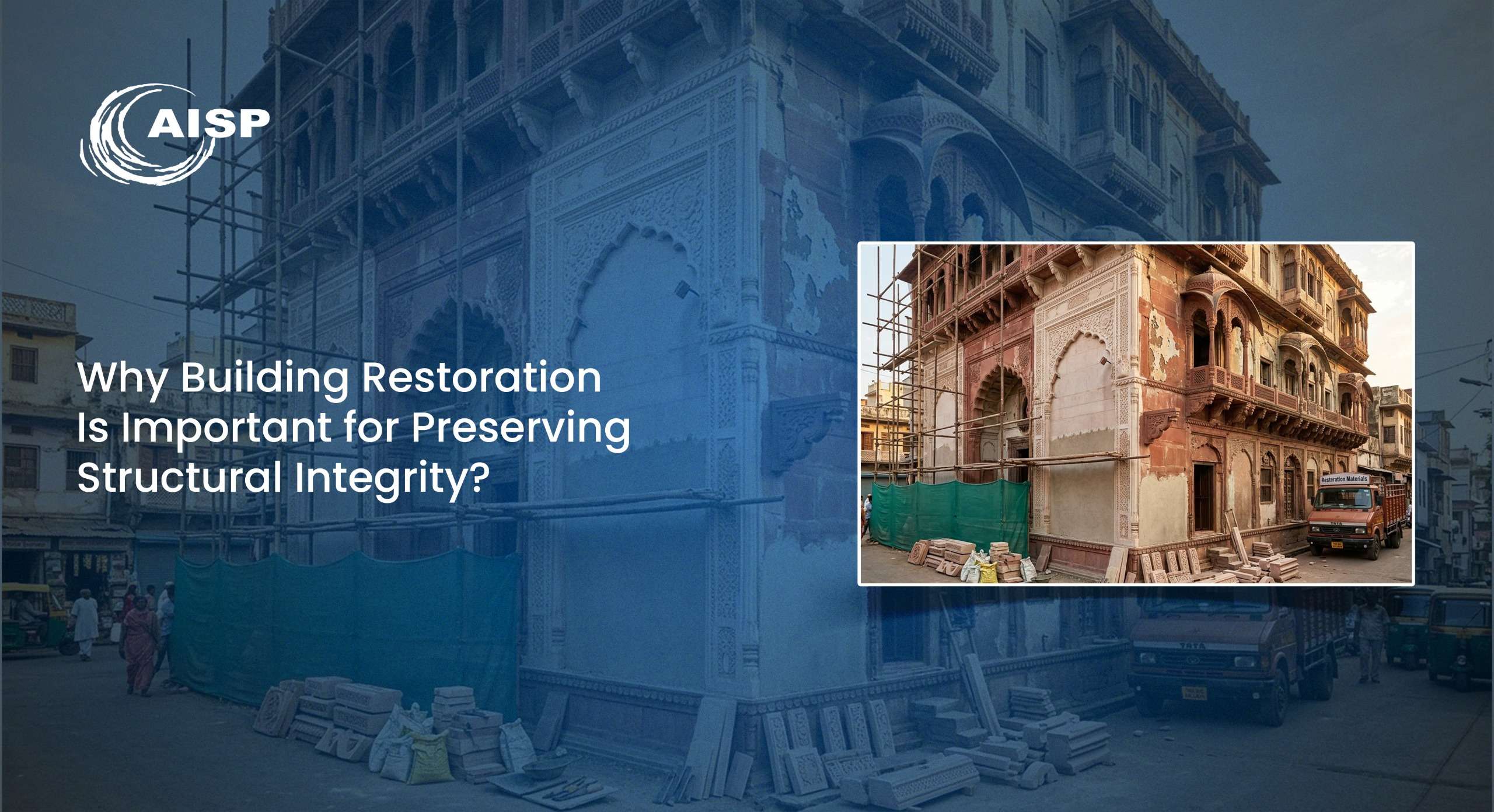
Building restoration is the process of repairing, strengthening, and preserving a building to ensure it remains safe, functional, and structurally sound. Restoration projects focus on identifying areas of deterioration and implementing appropriate solutions to restore the building’s original performance.
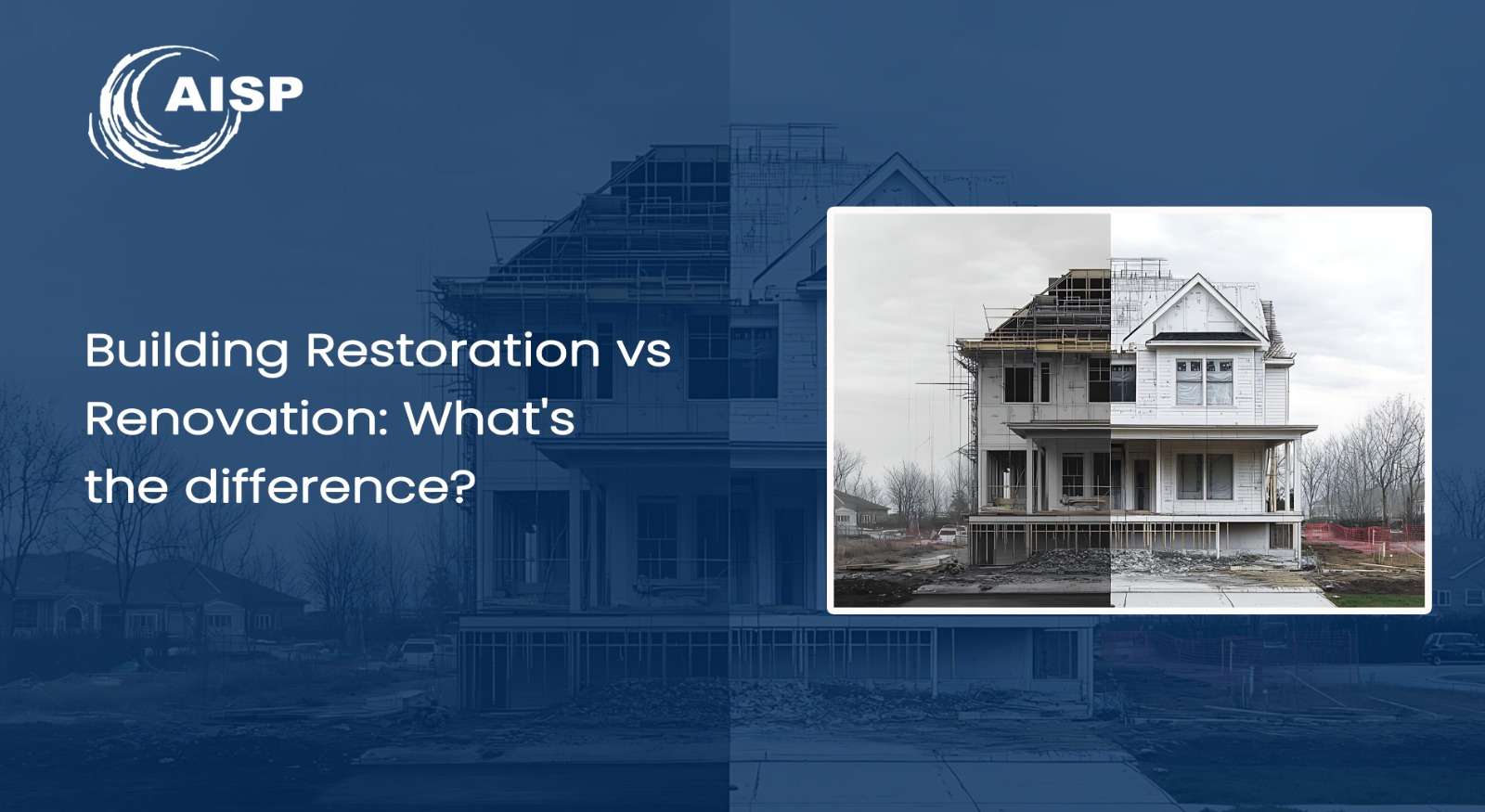
Unlike renovation, which often focuses on improving aesthetics or functionality, restoration prioritises the preservation of structural elements. It involves repairing damaged components, strengthening weakened areas, and ensuring that the building can continue to perform safely for years to come.
Why Structural Integrity Matters in Buildings
Structural integrity refers to a building’s ability to withstand loads, environmental conditions, and daily use without experiencing failure. It is one of the most important factors in determining the safety and longevity of a structure.
A building with strong structural integrity provides:
Improved Safety
The primary purpose of structural integrity is to ensure the safety of occupants. Weak foundations, damaged columns, or deteriorated structural elements can create serious safety risks.
Long-Term Durability
Buildings with well-maintained structures are better equipped to withstand environmental stress, heavy usage, and natural ageing.
Reduced Maintenance Costs
Addressing structural issues early helps prevent larger and more expensive repairs in the future.
Better Property Value
Properties that maintain strong structural integrity are more attractive to investors, tenants, and buyers.
Common Causes of Structural Deterioration
Several factors can affect the condition of a building over time. Understanding these causes helps property owners take preventive measures and plan restoration projects more effectively.
Ageing and Material Wear
Construction materials naturally deteriorate with age. Concrete may develop cracks, steel can corrode, and protective coatings may lose effectiveness over time.
Water Damage and Moisture Infiltration
Water is one of the biggest threats to structural integrity. Leaks, poor drainage, and moisture penetration can weaken building materials and accelerate deterioration.
Structural Cracks and Foundation Issues
Cracks in walls, beams, or foundations can indicate underlying structural problems. If left untreated, these issues can compromise the stability of the entire building.
Environmental Exposure
Extreme temperatures, heavy rainfall, wind, pollution, and UV exposure can gradually damage exterior surfaces and structural components.
Lack of Regular Maintenance
Buildings that do not receive regular inspections and maintenance are more likely to develop hidden structural issues that worsen over time.
Key Benefits of Building Restoration
Improved Safety and Structural Stability
Restoration projects address structural weaknesses, helping create safer environments for occupants, visitors, and stakeholders.
Enhanced Property Value
A well-maintained and structurally sound building retains higher market value and attracts greater interest from potential investors and tenants.
Reduced Long-Term Costs
Investing in restoration today can help avoid major repair expenses in the future. Early intervention is often far more cost-effective than extensive reconstruction.
Better Operational Performance
Buildings with restored structural systems perform more efficiently and require fewer emergency repairs and maintenance activities.
Sustainability and Resource Conservation
Restoring an existing building often requires fewer resources than constructing a new one. This makes restoration an environmentally responsible solution that supports sustainability goals.
Role of Technology in Modern Building Restoration
Technology has transformed the way restoration projects are planned and executed.
Digital Structural Assessments
Modern inspection tools help engineers evaluate structural conditions with greater accuracy. Digital assessments provide valuable insights into hidden defects and areas requiring attention.
Building Information Modelling (BIM)
BIM technology allows project teams to visualise restoration work, improve planning accuracy, and minimise project risks.
Advanced Restoration Materials
Modern construction materials offer improved durability, strength, and resistance to environmental conditions. These materials help deliver longer-lasting restoration outcomes.
Monitoring and Data Analysis
Smart monitoring systems allow professionals to track structural performance over time and identify potential issues before they become serious concerns.
How AISP Delivers Successful Building Restoration Projects
A successful restoration project requires technical expertise, careful planning, and continuous monitoring. AISP supports clients through every stage of the restoration process, ensuring that buildings remain safe, durable, and operational.
AISP begins with detailed structural assessments to identify existing issues and determine the most effective restoration strategy. Their experienced team develops customised solutions based on the building’s condition, project requirements, and long-term objectives.
Through expert project management, quality control, risk assessment, and regular site monitoring, AISP helps clients achieve efficient and reliable restoration outcomes. Their structured approach ensures that restoration projects are completed safely, within budget, and according to the highest quality standards.
Final Thought
Building restoration is far more than repairing visible damage. It is a strategic investment in the safety, durability, and future performance of a structure. By addressing structural issues early and implementing effective restoration solutions, property owners can preserve structural integrity, reduce long-term costs, and extend the lifespan of their buildings.
With expert planning, technical expertise, and proactive project management, companies like AISP help ensure that restoration projects deliver lasting value. As buildings continue to age and face increasing environmental challenges, restoration will remain an essential part of maintaining safe, functional, and sustainable structures for future generations.
Frequently Asked Questions
What is building restoration?
Building restoration is the process of repairing, strengthening, and preserving a building to improve its safety, functionality, and structural integrity.
Why is building restoration important?
Building restoration helps prevent structural deterioration, improves safety, extends building lifespan, and protects property value.
How is restoration different from renovation?
Restoration focuses on preserving and repairing structural elements, while renovation typically involves upgrading aesthetics, layouts, or functionality.
What are the common signs that a building needs restoration?
Common signs include structural cracks, water damage, corrosion, foundation settlement, deteriorating materials, and visible structural weaknesses.
How does building restoration improve structural integrity?
Restoration strengthens damaged components, repairs structural defects, improves load-bearing capacity, and prevents further deterioration.
Can restoration increase property value?
Yes. A structurally sound and well-maintained building is more attractive to buyers, investors, and tenants, often resulting in higher property value.
What technologies are used in modern building restoration?
Modern restoration projects use digital inspections, BIM technology, structural monitoring systems, and advanced construction materials.
How does AISP support building restoration projects?
AISP provides structural assessments, restoration planning, project management, quality control, risk management, and site monitoring to ensure successful restoration outcomes.