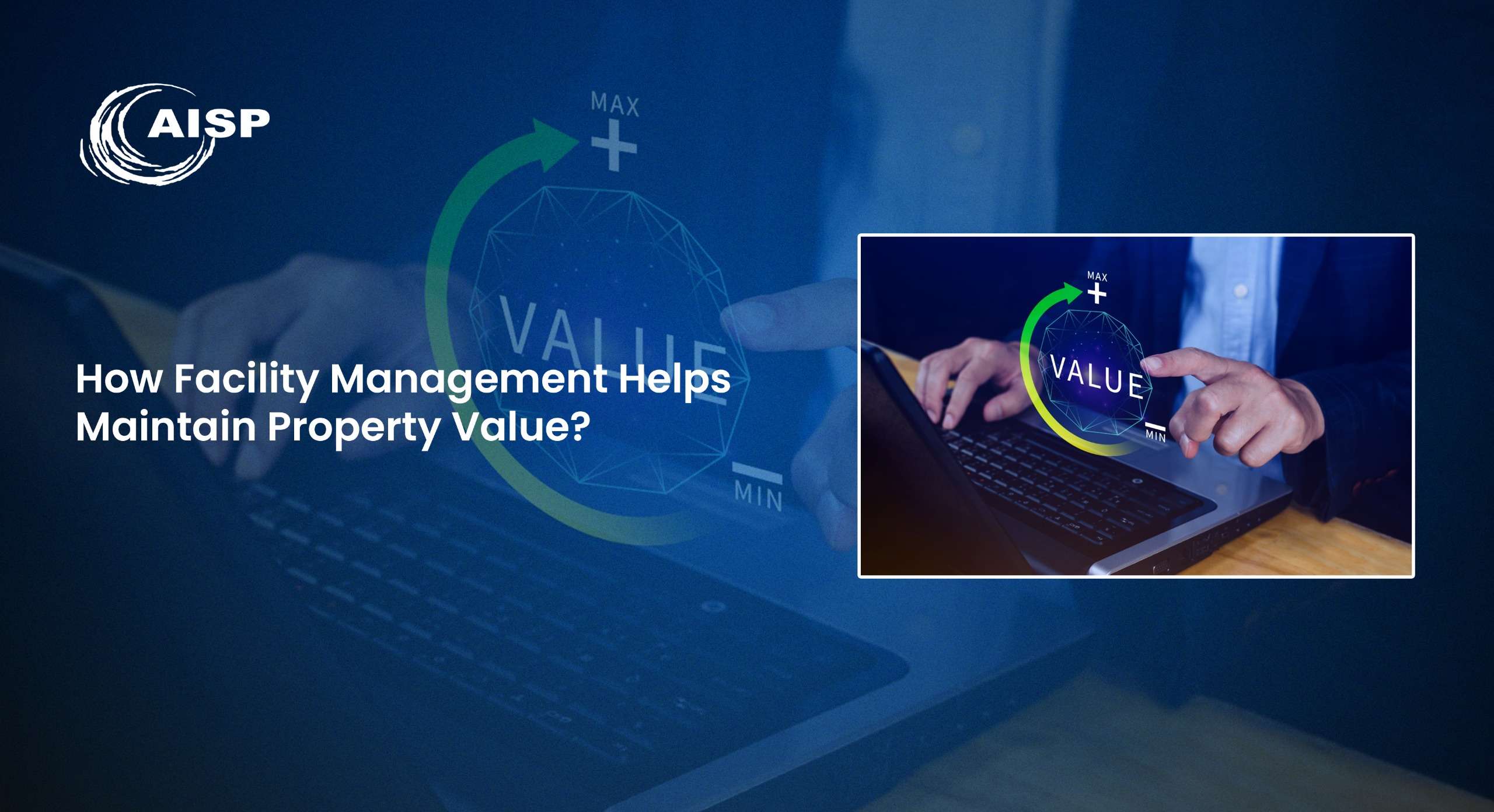
How Facility Management Helps Maintain Property Value?
Introduction
A property is a long term investment, and its value depends on more than its location, design, or construction quality. Regular maintenance, efficient operations, safety, cleanliness, and the condition of essential systems all influence how a property performs over time.
This is where property facility management plays an important role. A structured facility management approach helps keep buildings functional, safe, well-maintained, and attractive while reducing the risk of expensive repairs.
For commercial properties such as offices, malls, hotels, and large developments, effective facility management can directly contribute to protecting asset value and improving the experience of occupants and visitors.
What Is Property Facility Management?
Property facility management involves managing the day-to-day operations, maintenance, safety, and supporting services of a building or property.
It can include:
- Preventive and corrective maintenance
- Electrical and plumbing system management
- HVAC and equipment maintenance
- Cleaning and housekeeping
- Security and safety management
- Energy and resource management
- Vendor and service provider coordination
- Building inspections and compliance support
Rather than waiting for systems to fail, effective facility management focuses on identifying potential issues early and maintaining the property consistently.
How Property Facility Management Protects Property Value
1. Prevents Costly Repairs
Regular inspections and preventive maintenance help identify minor issues before they develop into major problems. A small plumbing leak, electrical fault, or damaged surface can become significantly more expensive when ignClean common areas, well-maintained landscaping, functioning facilities, good lighting, and properly maintained interiors create a more positive experience. For commercial properties, this can also support tenant retention and overall property appeal.
4. Improves Energy Efficiency
Facility management also plays an important role in controlling energy consumption. Regular monitoring of HVAC systems, lighting, electrical equipment, and water usage can help identify areas of unnecessary consumption.
Improved efficiency can reduce operating costs while supporting more sustainable property management.
5. Supports Safety and Compliance
A poorly maintained property can create safety risks. Regular inspections and maintenance of fire protection systems, electrical installations, lifts, emergency systems, and other critical infrastructure help create a safer environment.
Facility management teams can also support compliance by maintaining records, schedules, and documentation for essential inspections and services.
6. Helps Maintain Market Competitiveness
Well maintained properties are generally better positioned to attract tenants, customers, investors, and buyers. A property that consistently performs well and remains visually appealing can maintain stronger market perception over time.
Therefore, facility management should not be viewed simply as an operational expense. It can form an important part of an asset’s long term value protection strategy.
The Role of Preventive Maintenance
Preventive maintenance is one of the most important elements of property facility management. Instead of responding only when something breaks, facility teams follow planned maintenance schedules based on the condition and usage of different assets.
A preventive maintenance programme can include:
- Scheduled equipment servicing
- Regular building inspections
- Plumbing and electrical checks
- HVAC maintenance
- Fire and safety system inspections
- Waterproofing and seepage checks
- Common area maintenance
This approach reduces downtime, improves reliability, and helps property owners plan maintenance expenditure more effectively.
How AISP Supports Property Facility Management
AISP takes a structured approach to managing and maintaining real estate assets. Its facility management support focuses on helping property owners maintain operational efficiency, asset performance, and long term value.
Through systematic assessments, maintenance planning, stakeholder coordination, vendor management, and monitoring, AISP can help identify maintenance requirements and prioritise critical areas.
For large commercial developments, hotels, malls, and other complex properties, this integrated approach helps connect day to day facility requirements with broader asset management objectives.
Final Thoughts
Property value does not depend only on what is built. It also depends on how effectively the asset is maintained throughout its lifecycle.
Property facility management helps protect buildings through preventive maintenance, efficient operations, safety management, enerored.
By addressing issues at an early stage, property owners can reduce unexpected repair costs and protect the condition of their assets.
2. Extends the Life of Building Assets
Building systems and equipment naturally experience wear and tear. Regular servicing and maintenance can extend their useful life and reduce the need for premature replacement.
This applies to HVAC systems, lifts, electrical infrastructure, plumbing systems, lighting, fire safety equipment, and other critical assets.
3. Maintains Appearance and Occupant Experience
The physical appearance of a property influences how tenants, customers, visitors, and potential buyers perceive it.
gy monitoring, and regular inspections. By addressing problems early and maintaining essential systems properly, property owners can reduce costs, extend asset life, and preserve the property’s market appeal.
For large and complex developments, professional facility management can provide the structured oversight needed to maintain performance and protect long term investment value.
FAQs
What is property facility management?
Property facility management involves managing the maintenance, operations, safety, utilities, and supporting services required to keep a property functional and well maintained.
How does facility management increase property value?
It helps maintain the building’s condition, extend asset life, reduce repair costs, improve efficiency, and create a better experience for occupants and visitors.
Why is preventive maintenance important?
Preventive maintenance helps identify and resolve potential issues before they become major failures, reducing unexpected costs and downtime.
What properties benefit from facility management?
Commercial buildings, hotels, malls, offices, residential developments, and other large or complex properties can benefit from professional facility management.
Can facility management reduce operating costs?
Yes. Efficient maintenance, energy monitoring, planned servicing, and effective vendor management can help control operational and maintenance expenses.