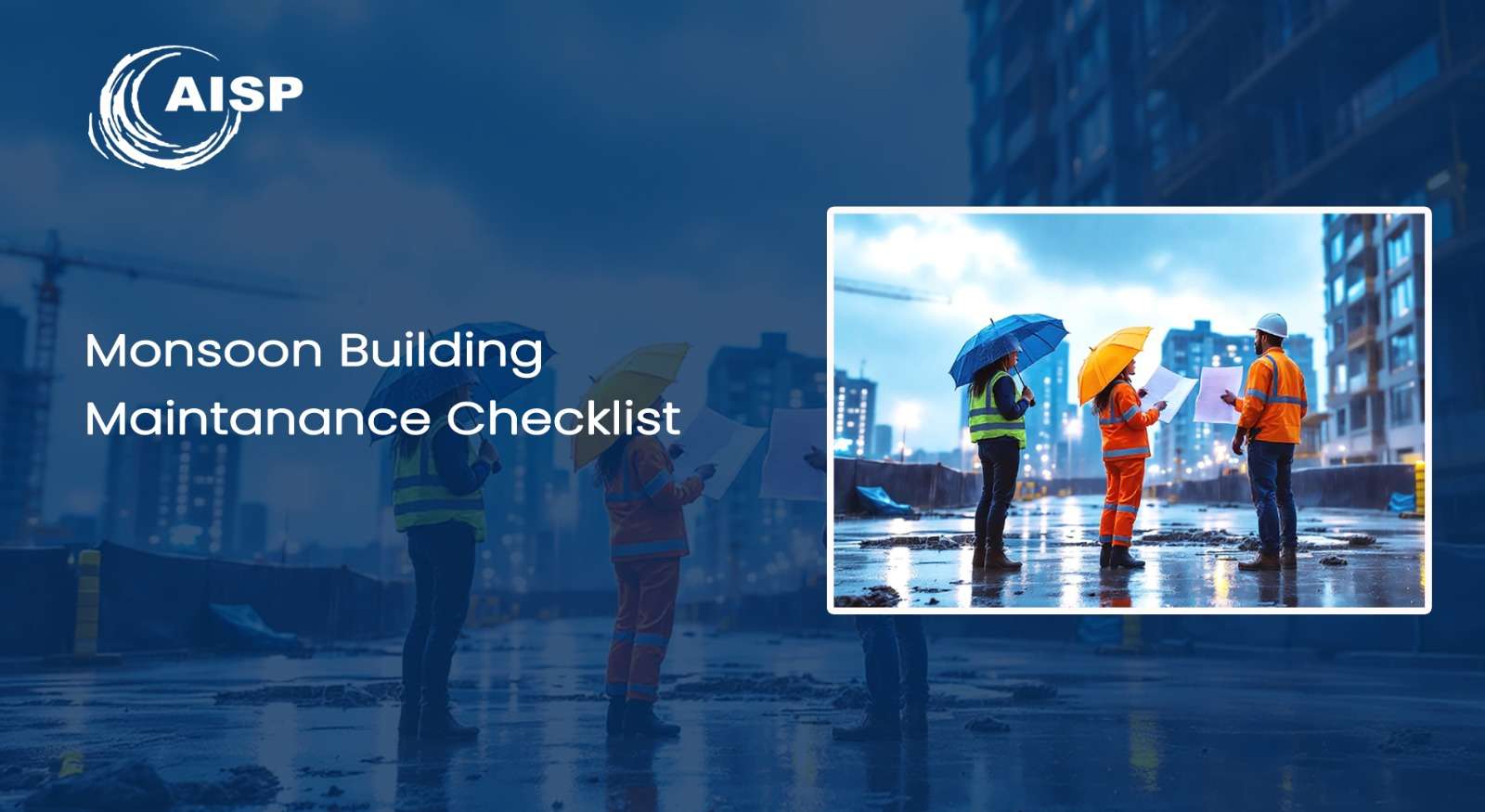
Monsoon Building Maintenance Checklist
Introduction: Why Monsoon Maintenance Matters
The monsoon season brings much-needed relief from heat, but it also creates several challenges for commercial and residential buildings. Continuous rainfall, high humidity, water accumulation, and strong winds can affect everything from roofs and facades to electrical systems and drainage networks.
For commercial properties, these issues can become more than just maintenance concerns. Water seepage can damage interiors, blocked drains can disrupt operations, and neglected structural issues can lead to expensive repairs.
That is why monsoon preparation should begin before heavy rainfall arrives. A planned maintenance approach allows property owners and facility teams to identify vulnerabilities early and address them before they become major problems.
Why Buildings Need Special Attention During Monsoon
Buildings remain exposed to changing weather conditions throughout the monsoon. Water can enter through small cracks, damaged waterproofing, open joints, or poorly maintained drainage systems. Over time, repeated exposure can affect the building’s structure and finishes.
Commercial properties need even greater attention because they accommodate employees, customers, tenants, equipment, and valuable assets. Any maintenance issue can therefore affect safety, business continuity, and the overall property experience.
Regular inspections and preventive maintenance help property owners stay ahead of these challenges instead of relying only on emergency repairs.
Monsoon Building Maintenance Checklist
A systematic inspection can help identify vulnerable areas before they create larger problems. The following checklist covers the key areas that property owners and facility teams should review.
1. Roof and Terrace Inspection
Roofs and terraces receive direct exposure to rainfall and should remain one of the first areas on the inspection list.
- Check for cracks, damaged surfaces, and loose tiles.
- Inspect waterproofing layers for signs of deterioration.
- Remove leaves, debris, and other materials that can block water flow.
- Check terrace slopes and drainage points.
- Look for areas where water remains stagnant after rainfall.
Proper roof maintenance helps prevent water from entering the building and damaging ceilings, walls, and electrical systems.
2. Waterproofing and Leakage Checks
Water seepage may begin as a small damp patch but can eventually damage paint, plaster, flooring, and structural elements.
- Inspect ceilings, walls, basements, and other vulnerable areas.
- Identify damp patches, peeling paint, or unusual stains.
- Check joints, windows, and other possible water entry points.
- Repair damaged waterproofing before the peak monsoon period.
- Monitor previously affected areas after heavy rainfall.
Early detection can significantly reduce the cost and extent of repairs.
3. Drainage and Rainwater Outlets
An efficient drainage system allows rainwater to leave the property quickly. Blocked or damaged drainage systems can cause waterlogging and increase the risk of seepage.
- Clean roof drains and rainwater outlets.
- Inspect downpipes for blockages.
- Check stormwater drainage channels.
- Ensure that water flows away from the building foundation.
- Remove accumulated debris from external drainage areas.
Regular drainage maintenance is particularly important for large commercial developments with extensive roof and parking areas.
4. Facade and Exterior Wall Inspection
The building facade faces continuous exposure to rain, moisture, wind, and pollution. Small cracks or damaged joints can allow water to enter the building envelope.
- Inspect exterior walls for cracks and visible deterioration.
- Check sealants and joints around windows and facade panels.
- Inspect glass, cladding, and other facade elements.
- Look for loose or damaged components.
- Arrange professional inspection where facade access requires specialised equipment.
A well-maintained facade improves both building safety and its overall appearance.
5. Basement and Parking Areas
Basements and underground parking areas are particularly vulnerable to water accumulation and seepage during heavy rainfall.
- Inspect basement walls and floors for dampness.
- Check sump pumps and drainage systems.
- Test water evacuation mechanisms.
- Inspect parking ramps for water accumulation.
- Ensure that emergency drainage systems remain accessible.
Keeping these areas prepared can prevent disruption to vehicles, equipment, and building operations.
6. Electrical Systems and Equipment
Water and electricity create significant safety risks. Electrical systems therefore require careful inspection before and during the monsoon.
- Inspect electrical panels and distribution boards.
- Check exposed cables and connections.
- Ensure that electrical rooms remain dry.
- Test backup power systems.
- Inspect outdoor lighting and electrical equipment for water exposure.
Only qualified professionals should handle electrical inspections, repairs, and modifications.
7. Plumbing and Water Supply Systems
Heavy rainfall can put additional pressure on plumbing and drainage infrastructure. Existing leaks can also become more difficult to manage during the season.
- Check pipelines and joints for leaks.
- Inspect water tanks and associated fittings.
- Test drainage connections.
- Check pumps and water supply equipment.
- Monitor areas with a history of plumbing issues.
Regular checks can help prevent unnecessary water loss and operational disruptions.
8. Lifts and Mechanical Equipment
Moisture can affect equipment rooms, lift pits, HVAC systems, and other mechanical infrastructure.
- Check lift pits for water accumulation.
- Inspect equipment rooms for signs of moisture.
- Ensure mechanical systems have adequate protection.
- Check HVAC drainage lines.
- Keep maintenance records updated.
Preventive inspections can help reduce unexpected equipment failures during periods of heavy rainfall.
9. Common Areas and Landscaping
External areas also need attention during the monsoon. Poorly maintained landscaping can contribute to blocked drains, slippery surfaces, and waterlogging.
- Trim overgrown vegetation near building structures.
- Remove fallen leaves and debris.
- Inspect pathways and outdoor flooring.
- Check landscape drainage.
- Monitor trees for damaged or unstable branches.
These measures help maintain safer and more accessible common areas.
10. Structural Cracks and Visible Damage
Monsoon inspections should also include a visual assessment of the building’s structural condition. Cracks, unusual dampness, exposed reinforcement, or other changes should not be ignored.
If any significant structural concern appears, property owners should seek assessment from qualified structural professionals rather than relying on temporary repairs.
Common Monsoon Problems in Commercial Buildings
Commercial buildings can experience several recurring problems during the rainy season. Some may appear minor at first but can become costly when left unattended.
Common issues include:
- Water seepage through roofs and walls
- Blocked rainwater drainage systems
- Dampness and mould growth
- Facade deterioration
- Electrical faults caused by moisture
- Basement water accumulation
- Damage to exterior finishes
- Slippery pathways and common areas
- Plumbing and pump failures
The key is to address these issues proactively. A preventive approach gives facility teams greater control over maintenance costs, safety, and building operations.
Preventive Maintenance and Professional Building Maintenance
Preventive maintenance does more than fix visible problems. It helps property owners identify potential issues before they affect the building or its occupants.
A professional building maintenance strategy typically combines regular inspections, scheduled repairs, documentation, and ongoing monitoring. This approach can extend the life of building components and reduce dependence on expensive emergency repairs.
For large commercial developments, professional support becomes even more valuable because multiple systems operate simultaneously. Coordinating facade maintenance, waterproofing, electrical systems, plumbing, drainage, mechanical equipment, and common areas requires proper planning.
Regular maintenance also helps property owners allocate budgets more effectively. Instead of dealing with unexpected repair expenses, they can plan maintenance activities according to the condition and lifecycle of different assets.
How AISP Supports Monsoon Building Maintenance
AISP takes a structured approach to building and asset management, helping property owners address maintenance requirements as part of a broader project and facility management strategy.
Its support can help commercial properties prepare for seasonal challenges through:
- Assessment of building systems and maintenance requirements
- Planning of preventive maintenance activities
- Coordination with specialised maintenance teams and vendors
- Monitoring of critical building components
- Identification of potential risks before they become major issues
- Support for cost and resource planning
- Coordination across different stakeholders involved in building operations
For properties such as commercial developments, hotels, malls, and other large-scale assets, this coordinated approach can make monsoon preparedness more organised and effective.
Rather than treating monsoon maintenance as a one-time activity, AISP can help integrate it into a longer-term asset management strategy. This allows property owners to focus not only on immediate protection but also on the durability, performance, and value of their assets.
Conclusion
Monsoon maintenance should not begin when the first major leak appears. Proper preparation and regular inspections can help protect buildings from water damage, equipment failures, safety concerns, and unnecessary repair costs.
From roofs and drainage systems to facades, electrical infrastructure, basements, and common areas, every part of a building requires attention during the rainy season.
A structured monsoon building maintenance checklist gives property owners and facility teams a practical way to identify vulnerabilities and plan preventive action. With professional support from organisations such as AISP, these activities can become part of a broader building maintenance and asset management strategy.
The objective is simple: prepare early, identify risks, maintain consistently, and protect the long-term performance of the property.
FAQs
How often should a building be inspected during monsoon?
Buildings should undergo regular inspections throughout the monsoon, particularly after periods of heavy rainfall. High-risk areas such as roofs, basements, drainage systems, and facades may require more frequent checks.
What are the most common monsoon maintenance issues in buildings?
Water seepage, blocked drains, roof damage, facade deterioration, basement flooding, dampness, and electrical issues are among the common concerns during monsoon.
Why is preventive maintenance important during monsoon?
Preventive maintenance helps identify and address potential problems before they cause significant damage. It can also reduce emergency repair costs and minimise operational disruptions.
What areas should be checked before monsoon?
Roofs, terraces, waterproofing, drainage systems, facades, basements, electrical systems, plumbing, mechanical equipment, and common areas should all form part of a pre-monsoon inspection.
How can professional building maintenance services help?
Professional maintenance teams can conduct systematic inspections, coordinate specialised repairs, monitor building systems, and help property owners follow a planned preventive maintenance schedule.
How does AISP help with building maintenance?
AISP supports structured planning, maintenance coordination, risk identification, vendor management, and asset-focused strategies for commercial properties, helping owners maintain building performance over the long term.