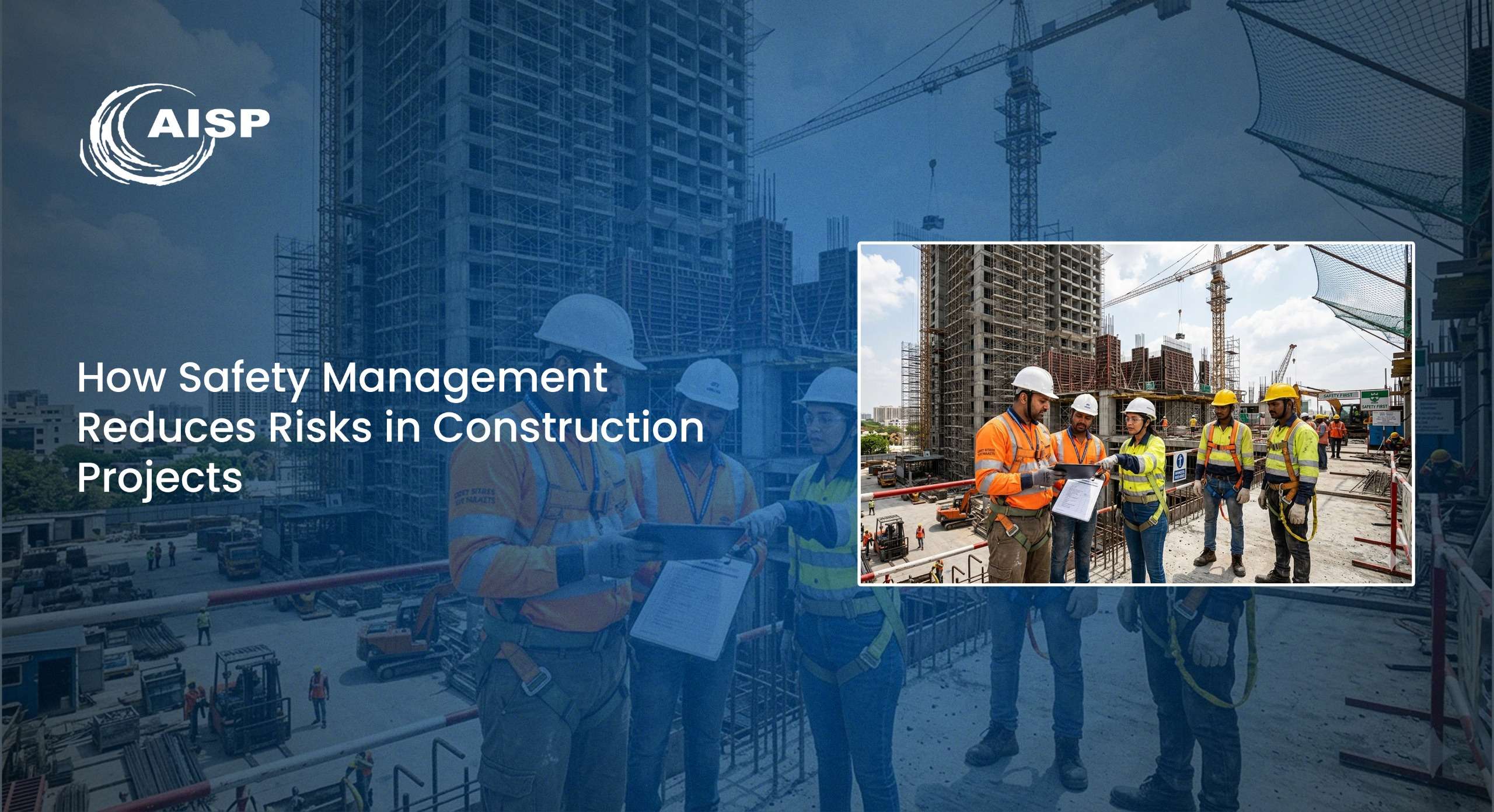
How Safety Management Reduces Risks in Construction Projects
Construction sites are busy environments where people, machinery, and materials are constantly moving together. In such conditions, even a small mistake can lead to accidents, delays, or financial losses. That is why construction safety management is not just a requirement but an essential part of every successful project. A safe construction site protects workers, keeps operations running smoothly, and helps projects stay on schedule.
Good construction safety management is about more than wearing helmets and following rules. It involves careful planning, regular inspections, proper training, and creating awareness among workers at every stage of the project. When safety is managed properly, teams can work with confidence, risks are reduced, and the overall quality of the project improves. Companies like AISP focus on building a strong safety culture through continuous monitoring and proactive management, ensuring that construction projects remain safe, efficient, and reliable from start to finish.
Common Risks Faced on Construction Sites
Construction sites involve heavy machinery, multiple teams, and continuous activity, which makes them one of the highest-risk working environments. Without proper construction safety management, even small issues can turn into serious accidents that affect workers, project timelines, and overall costs. Understanding these risks is the first step towards creating a safer and more efficient construction site.
1. Workplace Accidents and Injuries
Construction workers often work at heights, handle heavy materials, and operate dangerous equipment. Slips, trips, falls, and injuries caused by improper handling of tools are some of the most common accidents on site. Lack of safety awareness and poor supervision can increase these risks and impact both worker wellbeing and project progress.
2. Equipment and Machinery Hazards
Heavy machinery such as cranes, excavators, and lifting equipment requires careful operation and regular maintenance. Faulty equipment, improper handling, or lack of operator training can lead to serious accidents and operational delays. Proper monitoring and regular inspections help reduce these risks significantly.
3. Structural and Electrical Risks
Weak scaffolding, unstable structures, exposed wiring, and poor electrical installations can create dangerous situations on construction sites. Structural failures and electrical hazards not only threaten worker safety but can also cause severe damage to the project itself. Regular safety checks and compliance with standards are essential to avoid such issues.
4. Environmental and Weather-Related Challenges
Construction projects are heavily affected by environmental conditions such as heavy rain, extreme heat, strong winds, and dust. Poor weather can make working conditions unsafe and increase the chances of accidents. Effective construction safety management includes planning for weather related risks and ensuring workers have the right protective measures in place.
How Safety Management Reduces Construction Risks
Effective construction safety management helps create a safer and more organised work environment. By identifying risks early and following proper safety practices, construction companies can prevent accidents, improve productivity, and ensure smoother project execution.
1. Early Hazard Identification
Regular site inspections and risk assessments help identify safety issues before they turn into major problems. This allows teams to take corrective action quickly and maintain a safer work environment.
2. Proper Safety Protocols
Following clear safety guidelines and procedures ensures that workers handle equipment, materials, and construction activities safely. Proper protocols reduce the chances of accidents and improve overall site discipline.
3. Worker Training and Awareness
Safety training programmes help workers understand potential risks and teach them how to respond in unsafe situations. Well-trained teams work more confidently and responsibly on site.
4. Reduced Delays and Financial Losses
Strong safety management helps prevent accidents that can stop construction work and increase costs. Fewer incidents mean smoother operations, less downtime, and better project efficiency.
Benefits of Effective Safety Management
Strong construction safety management not only protects workers but also improves the overall performance of a project. A safe and well-managed construction site creates a better working environment, reduces risks, and helps projects run more efficiently.
1. Improved Worker Safety and Confidence
When proper safety measures are followed, workers feel more secure and confident while performing their tasks. This reduces accidents and creates a positive work environment on site.
2. Better Project Efficiency and Productivity
Safe construction sites experience fewer disruptions and delays. Workers can focus on their responsibilities without unnecessary risks, leading to smoother operations and improved productivity.
3. Reduced Legal and Financial Risks
Effective safety management helps companies comply with regulations and avoid penalties, compensation claims, and unexpected costs caused by accidents or project stoppages.
4. Stronger Project Reputation and Compliance
Projects with strong safety standards build trust among clients, investors, and stakeholders. Maintaining compliance with industry regulations also strengthens the company’s professional reputation.
Role of Project Management Companies in Construction Safety
Project management companies play a major role in maintaining safe and well-organised construction sites. Companies like AISP ensure that proper construction safety management practices are followed throughout the entire project lifecycle, from planning and execution to final completion. Their structured approach helps reduce risks, improve worker safety, and maintain smooth project operations.
AISP focuses on detailed safety planning before construction begins. This includes identifying possible hazards, preparing safety guidelines, and ensuring that all teams understand site safety requirements. Regular inspections, audits, and monitoring help identify risks early and prevent accidents on site. By maintaining proper documentation and compliance with safety regulations, AISP ensures that every stage of the project meets industry standards.
Final Thought
Effective construction safety management is essential for reducing risks, protecting workers, and ensuring smooth project execution. A safe construction environment not only prevents accidents and delays but also improves productivity, operational efficiency, and overall project quality. By identifying hazards early, implementing proper safety procedures, and maintaining regular monitoring, construction companies can create safer and more reliable project sites.
Companies like AISP play a crucial role in strengthening construction safety through expert planning, continuous supervision, and proactive risk management. Their focus on safety compliance, worker awareness, and efficient project coordination helps clients achieve successful project outcomes without compromising on quality or timelines. Investing in strong construction safety management is not just about following regulations but about building a safer, more efficient, and future-ready construction industry.
Frequently Asked Questions
Why is construction safety management considered the foundation of a successful project?
Construction safety management creates a stable and organised work environment where teams can perform efficiently without unnecessary risks. A project built with strong safety practices not only protects workers but also improves productivity, quality, and long-term project success.
How can small safety mistakes impact an entire construction project?
Even a minor safety issue can lead to accidents, project delays, financial losses, and damage to a company’s reputation. Ignoring safety measures often creates disruptions that affect timelines, worker confidence, and overall project performance.
How does a safe construction environment improve worker performance?
When workers feel safe and supported, they work with greater confidence and focus. This improves teamwork, reduces stress, and allows projects to progress more smoothly and efficiently.
Why is proactive safety planning more effective than reactive solutions?
Proactive safety planning helps identify risks before they become serious problems. Instead of dealing with accidents after they happen, companies can prevent disruptions early and maintain better control over project timelines and costs.
How does construction safety management support long-term business growth?
Strong safety management builds trust among clients, investors, and stakeholders. Companies known for safe and efficient projects often gain stronger reputations, more business opportunities, and long term client relationships.