



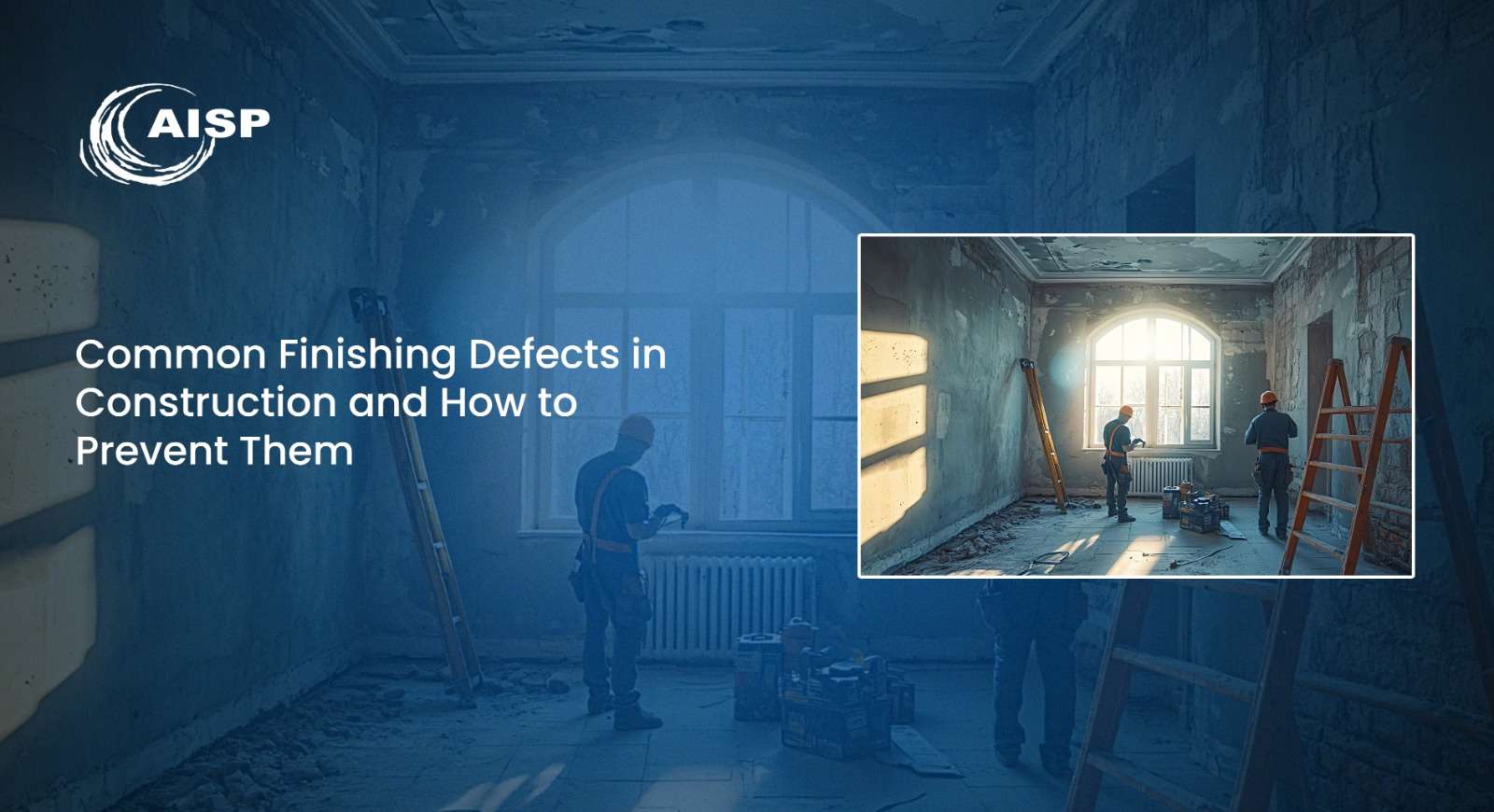
Common Finishing Defects in Construction and How to Prevent Them
Introduction
A construction project is not complete when the structure is built. The quality of finishing also plays an important role in determining the appearance, functionality, durability, and value of a property.
From wall cracks and uneven plaster to tile damage, paint peeling, and water seepage, finishing defects can affect both residential and commercial buildings. While some problems may appear minor, they can lead to repeated repairs and additional costs if teams do not address them early.
For large commercial projects, proper quality monitoring throughout construction can help identify these issues before they become expensive problems.
What Are Finishing Defects in Construction?
Finishing defects are visible or functional issues that occur during the final stages of construction. They can affect walls, ceilings, flooring, doors, windows, facades, fixtures, and other finished elements.
Poor workmanship, unsuitable materials, inadequate surface preparation, moisture, improper installation, and insufficient supervision can all contribute to these defects.
Therefore, preventing finishing defects requires attention throughout the construction process, rather than only during the final inspection.
Common Construction Finishing Defects
1. Cracks in Walls and Plaster
Cracks can develop because of shrinkage, building movement, poor plastering practices, or inadequate surface preparation. Small cracks may require minor repairs, while recurring or larger cracks need professional assessment.
2. Uneven Plastering
Uneven or wavy plaster can affect the appearance of walls and create problems during painting. Maintaining consistent plaster thickness and preparing the surface correctly can help prevent this issue.
3. Paint Peeling and Blistering
Peeling, bubbling, and patchy paint often result from moisture, poor surface preparation, unsuitable paint, or incorrect application. Proper drying and surface treatment can significantly improve paint performance.
4. Tile and Flooring Defects
Cracked tiles, uneven flooring, loose tiles, and inconsistent joints can result from poor installation, unsuitable adhesives, or an improperly prepared base.
5. Dampness and Water Seepage
Water seepage can damage walls, ceilings, flooring, and finishes. Waterproofing, drainage, and plumbing systems should therefore receive proper attention during both construction and inspection.
6. Poorly Finished Joints
Joints around windows, doors, tiles, facade elements, and other components need proper sealing and finishing. Poorly treated joints can allow moisture to enter and affect the building’s durability.
How to Prevent Construction Finishing Defects
Preventing defects is generally more effective than correcting them after completion. A structured quality management process can help teams maintain consistency at every stage.
Key measures include:
- Use materials that meet the project’s approved specifications.
- Prepare surfaces properly before applying finishes.
- Follow recommended installation and application methods.
- Conduct inspections at different stages instead of waiting until handover.
- Coordinate different contractors to prevent damage to completed work.
- Maintain proper curing and drying periods.
- Record defects and track their rectification.
- Conduct a detailed snagging inspection before handover.
When teams follow these practices consistently, they can reduce rework, control costs, and improve the overall quality of the finished property.
Role of Project Management Consultants in Quality Control
Large construction projects involve architects, contractors, vendors, engineers, and several specialist teams. Without proper coordination, even small communication gaps can result in quality issues.
Project management consultants help maintain quality by monitoring site activities, reviewing execution against specifications, coordinating stakeholders, and identifying deviations at an early stage.
Their involvement also creates better accountability because teams have clear quality benchmarks and processes to follow.
How AISP Helps Prevent Finishing Defects
AISP takes a structured approach to project management and quality oversight, helping developers maintain better control over construction activities.
Its support includes:
Quality Planning
AISP helps establish quality expectations for materials, workmanship, execution, and inspection from the planning stage.
Site Monitoring
Regular monitoring helps identify deviations from approved drawings, specifications, and project standards so that teams can take corrective action at the right time.
Stakeholder Coordination
AISP coordinates different project stakeholders to improve communication and minimise errors between contractors, consultants, vendors, and other teams.
Snagging and Rectification
Before handover, systematic snagging helps identify incomplete or defective work. AISP can support the tracking and closure of these issues to achieve better finishing quality.
Cost and Time Management
Defects often result in rework, which affects both budgets and timelines. By focusing on preventive quality management, AISP helps reduce unnecessary rework and supports smoother project execution.
Conclusion
Construction finishing defects can affect the appearance, functionality, durability, and value of a property. However, many of these issues can be prevented through proper planning, quality materials, skilled execution, regular inspections, and effective coordination.
For complex commercial developments, professional project management can bring greater control over quality and execution. With its structured approach to project monitoring, stakeholder coordination, snagging, and quality management, AISP supports developers in achieving better project outcomes from construction to completion.
FAQs
What are common finishing defects in construction?
Common defects include wall cracks, uneven plaster, paint peeling, tile damage, water seepage, dampness, and poorly finished joints.
How can finishing defects be prevented?
Proper material selection, surface preparation, skilled workmanship, regular inspections, and stage-wise quality checks can help prevent finishing defects.
Why is quality control important in construction?
Quality control helps identify issues early, reduce rework, control costs, and ensure that the completed project meets the required standards.
What is snagging in construction?
Snagging involves identifying incomplete, damaged, or defective work before handover so that teams can rectify the issues.
How does AISP help with construction quality?
AISP supports quality planning, site monitoring, stakeholder coordination, snagging, and rectification to help developers achieve better construction quality.

