
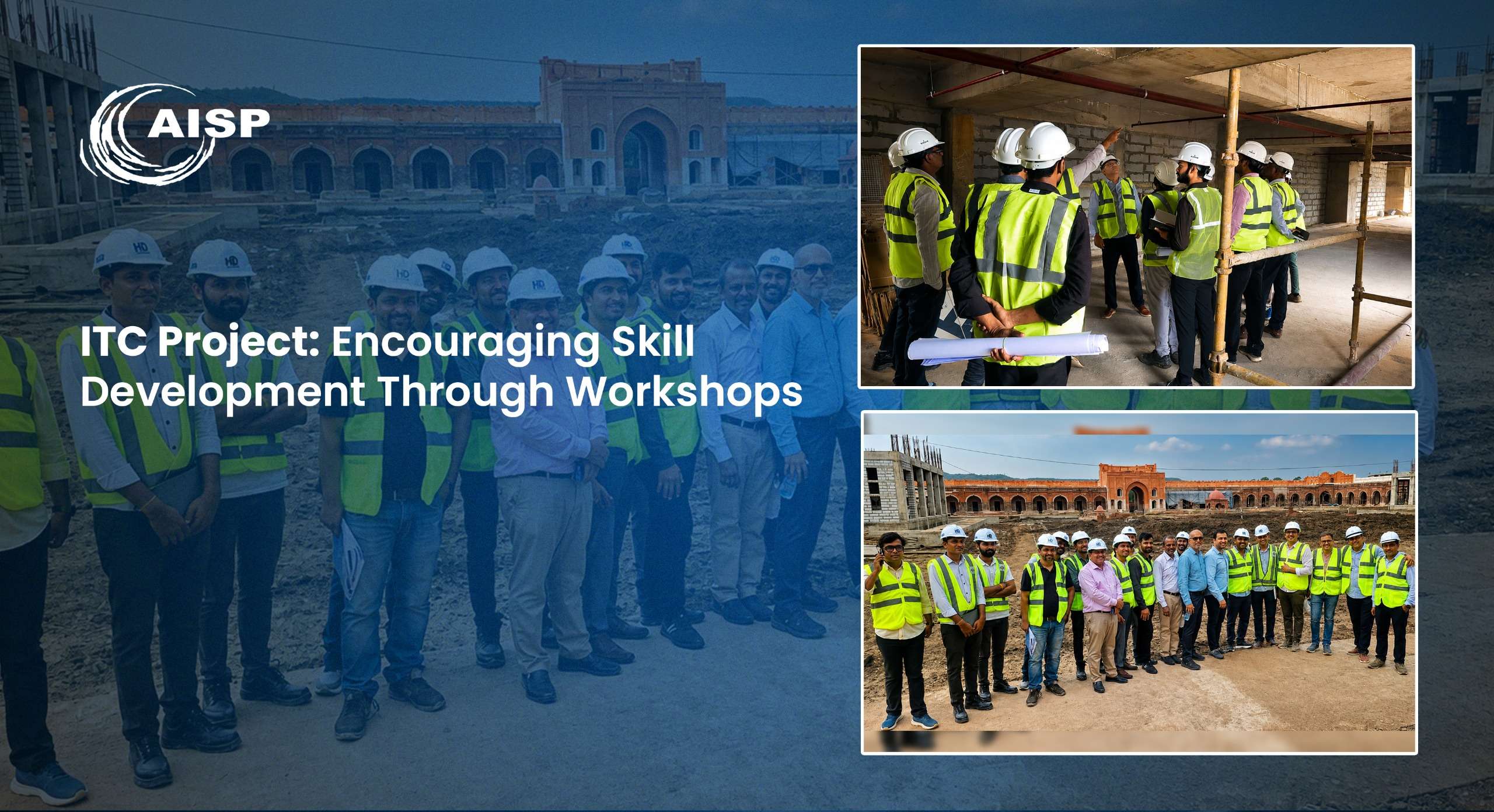
ITC Project: Encouraging Skill Development Through Workshops
The ITC Project is committed to fostering skill development by organising interactive workshops that inspire learning, innovation, and collaboration. These workshops are designed to bridge the gap between knowledge and practical application, enabling participants to develop relevant skills, exchange ideas, and gain valuable industry insights.
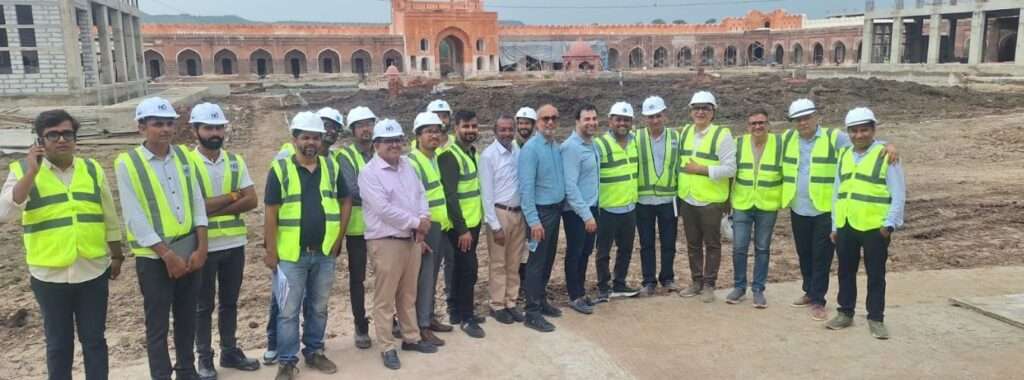
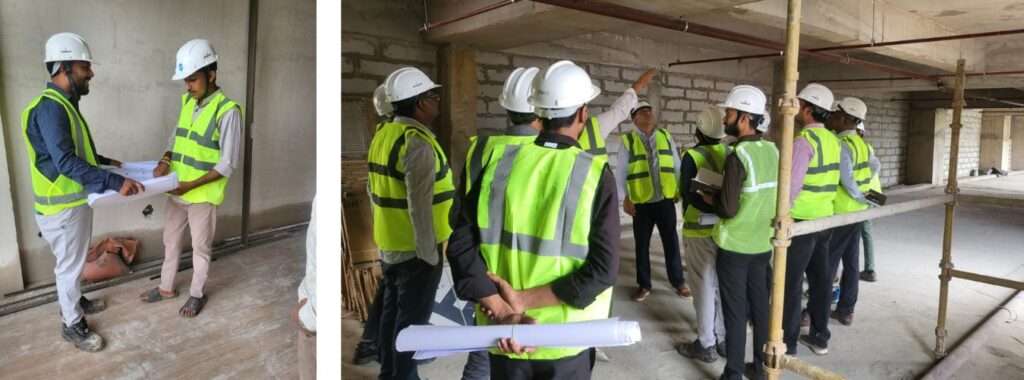
Hosted at ITC Mandav, each workshop provides a professional and engaging environment where participants can learn from experienced experts, take part in meaningful discussions, and build connections with like-minded professionals. Through this initiative, the ITC Project aims to empower individuals with the knowledge, confidence, and practical skills needed to support their personal and professional growth.
Why Workshops Are Essential for Skill Development
Workshops provide a dynamic learning environment where participants can move beyond theory and gain practical experience. They encourage active participation, improve confidence, and help individuals develop skills that are relevant to today’s professional world. Through expert guidance and interactive sessions, workshops create opportunities for continuous learning and personal growth.
1. Practical Learning Approach
Workshops focus on hands-on activities, demonstrations, and real-world applications rather than only theoretical concepts. This practical approach helps participants understand ideas more effectively and apply their knowledge with confidence.
2. Building Confidence Through Participation
Interactive discussions, group activities, and presentations encourage participants to share their ideas and actively engage in the learning process. This involvement helps improve communication skills and builds self-confidence.
3. Industry-Relevant Knowledge
Workshops are designed around current industry trends, best practices, and real-life challenges. Participants gain valuable insights that help them stay updated and prepared for changing professional requirements.
4. Interactive Learning Environment
Unlike traditional classroom sessions, workshops promote two-way communication between trainers and participants. This encourages questions, discussions, and collaborative learning, making the overall experience more engaging.
5. Enhanced Problem-Solving Skills
Through case studies, practical exercises, and group tasks, participants learn how to analyse situations, identify challenges, and develop effective solutions that can be applied in real-life scenarios.
6. Networking Opportunities
Workshops bring together professionals, experts, and learners from different backgrounds. These interactions help participants build meaningful professional relationships, exchange ideas, and expand their network.
Skills Participants Gain Through Workshops
Workshops are designed to help participants develop practical and professional skills that can be applied in real-world situations. By combining expert guidance with interactive learning, participants gain valuable experience that supports both personal and career growth.
1. Technical Skills
Participants learn industry-specific tools, techniques, and practical methods that enhance their technical knowledge. Hands-on activities help them understand concepts more effectively and apply them with confidence.
2. Communication Skills
Workshops encourage discussions, presentations, and group interactions, helping participants improve their verbal communication, active listening, and the ability to express ideas clearly and professionally.
3. Problem-Solving Ability
Through practical exercises, case studies, and real-world scenarios, participants develop analytical thinking and learn how to identify challenges, evaluate options, and implement effective solutions.
4. Leadership and Teamwork
Collaborative activities teach participants how to work effectively in teams, take initiative, manage responsibilities, and support others while working towards shared objectives.
5. Professional Development
Workshops contribute to overall professional growth by improving confidence, decision-making, adaptability, and workplace readiness. Participants leave with enhanced skills that help them perform better in their careers and embrace future opportunities.
How AISP Ensures Effective Learning
AISP is committed to delivering meaningful learning experiences through carefully designed workshops that focus on practical knowledge, active participation, and continuous improvement. Every session is planned to ensure participants gain valuable insights and skills that can be applied in real-life situations.
1. Well-Structured Workshop Planning
Each workshop is thoughtfully planned with clear objectives, organised sessions, and relevant topics. This structured approach ensures participants receive a smooth and engaging learning experience from start to finish.
2. Experienced Trainers
AISP collaborates with knowledgeable trainers and industry professionals who bring practical expertise and real-world experience to every session. Their guidance helps participants understand concepts with greater clarity and confidence.
3. Real-Life Case Studies
Workshops include practical examples and case studies that reflect real industry challenges. These examples help participants connect theoretical concepts with real-world applications and improve their decision-making abilities.
4. Continuous Learning Support
Learning extends beyond the workshop through discussions, knowledge sharing, and ongoing guidance. Participants are encouraged to continue developing their skills and applying what they have learned in their professional journey.
5. Interactive and Participant-Centred Sessions
AISP promotes active participation through group discussions, hands-on activities, question-and-answer sessions, and collaborative exercises. This interactive approach keeps participants engaged and enhances knowledge retention.
Final Thoughts
Skill development is a continuous journey, and workshops play a vital role in transforming knowledge into practical experience. By bringing together experienced trainers, interactive learning methods, and a collaborative environment, AISP is committed to creating meaningful learning opportunities that help participants enhance their skills, gain valuable industry insights, and grow with confidence.
Through well-structured workshops, AISP continues to empower individuals with the knowledge and practical experience needed to succeed in today’s evolving professional landscape. With a strong focus on learning, collaboration, and continuous improvement, AISP remains dedicated to building a skilled, capable, and future-ready community.
Frequently Asked Questions (FAQs)
1. What is the purpose of a workshop?
A workshop is designed to provide practical learning through interactive sessions, hands-on activities, and expert guidance. It helps participants develop new skills, improve their knowledge, and gain real-world experience.
2. Who can participate in a workshop?
Workshops are open to students, professionals, entrepreneurs, and anyone interested in learning new skills or enhancing their existing knowledge. Eligibility may vary depending on the workshop’s objectives.
3. What are the benefits of attending a workshop?
Attending a workshop helps participants improve technical and professional skills, build confidence, expand their network, learn from experts, and gain practical knowledge that can be applied in real-life situations.
4. How are workshops different from traditional training sessions?
Unlike traditional classroom learning, workshops are highly interactive and focus on practical exercises, discussions, group activities, and real-life case studies, making the learning experience more engaging and effective.
5. Why are workshops important for skill development?
Workshops encourage active participation and hands-on learning, allowing participants to strengthen their problem-solving, communication, teamwork, and leadership skills while staying updated with current industry practices.